
What is Obesity and Morbid Obesity?
Understanding obesity and morbid obesity is crucial for recognizing their impact on health.
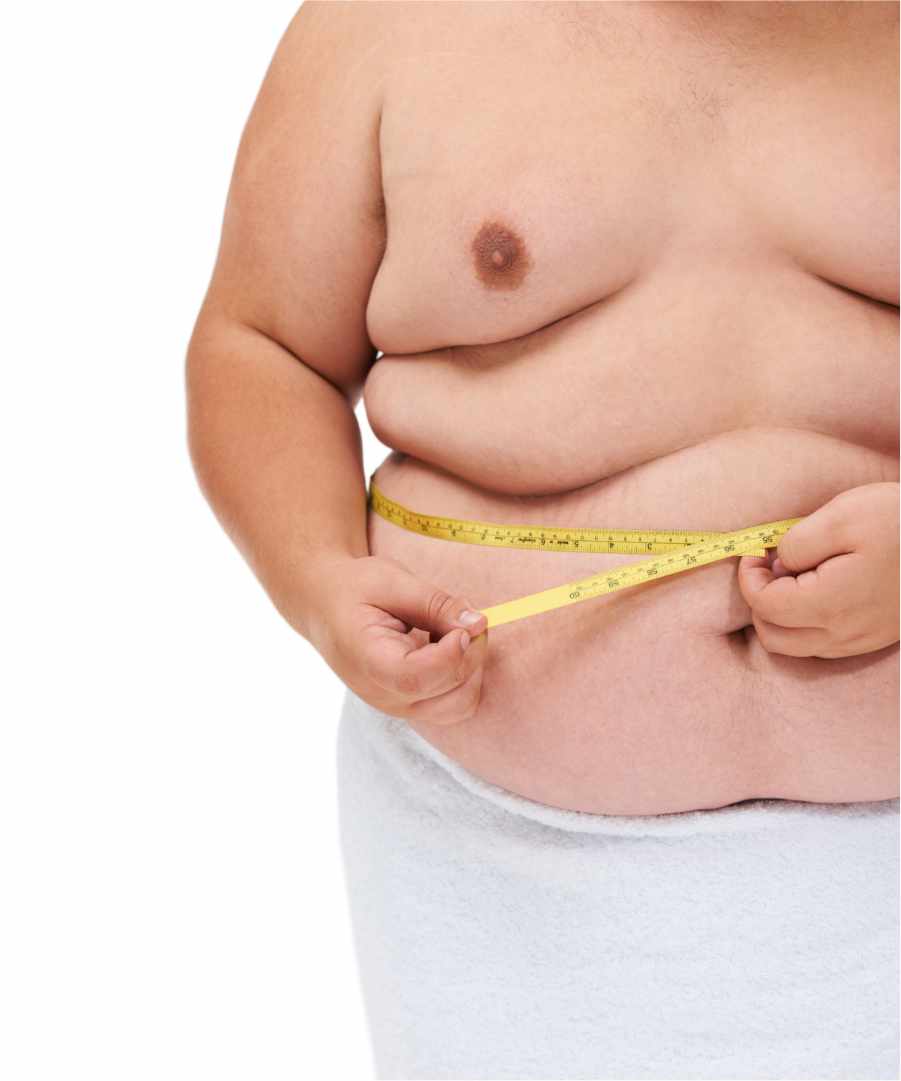
Obesity
Obesity is generally defined as having an excessive amount of body fat. It is commonly measured using the Body Mass Index (BMI), which is calculated by dividing a person’s weight in kilograms by the square of their height in meters. A BMI of 30 or higher indicates obesity.
Health Implications:
Increased risk of chronic diseases such as heart disease, diabetes, and certain cancers.
Higher likelihood of developing high blood pressure and high cholesterol levels.
Potential for sleep apnea and respiratory problems.
Morbid obesity is a more severe form of obesity, defined as having a BMI of 40 or higher, or a BMI of 35 or higher with obesity-related health conditions. This level of obesity significantly increases health risks.
Health Implications:
Increased risk of joint problems due to excess weight.
Greater risk of life-threatening conditions, including cardiovascular disease and type 2 diabetes.
Potential for serious complications during surgery and anesthesia.
Problems with BMI
Body Mass Index (BMI) is a widely used tool for assessing whether a person has a healthy body weight for their height. However, it has several limitations and problems that can lead to misunderstandings about health and fitness.
- Doesn’t Differentiate Between Muscle and Fat
BMI measures weight relative to height but doesn’t distinguish between muscle mass and fat mass. A muscular person may have a high BMI but low body fat, leading to a misclassification as overweight or obese. - Ignores Fat Distribution
BMI does not account for where fat is distributed in the body. Central obesity (fat around the abdomen) is more harmful to health than fat in other areas, but BMI does not provide insights into fat distribution. - Varies by Population
The BMI scale was developed based on data from specific populations and may not apply universally. Different ethnic groups may have different health risks at the same BMI level, making it less accurate for diverse populations. - Age and Gender Limitations
BMI doesn’t consider age or sex differences in body composition. For example, older adults naturally lose muscle mass, which can affect BMI calculations and misrepresent their health status. - Can Lead to Misinterpretation
Relying solely on BMI can lead to misconceptions about an individual’s health. Some people may be classified as overweight or obese despite being fit and healthy, while others may be considered healthy even if they have a high percentage of body fat. - Not a Comprehensive Health Measure
BMI does not take into account other important factors such as diet quality, physical activity levels, and overall health status. It should not be the sole measure of health. - Potential for Stigmatization
The reliance on BMI can contribute to weight stigma and discrimination, impacting mental health and encouraging unhealthy behaviors in individuals who feel judged based on their weight alone.
Body Mass Index (BMI)
BMI is a common tool used to assess whether an individual is underweight, at a healthy weight, overweight, or obese. It is calculated using the formula:
Body Mass Index (BMI)
Here’s how the BMI ranges are classified:
- Under 18.5: Underweight
- 18.5 – 24.9: Healthy weight
- 25 – 29.9: Overweight
- 30 – 34.9: Obesity
- 35 – 39.9: Severe obesity
- 40 and above: Morbid obesity
Frequently Asked Questions
Frequently Asked Questions
Do you perform the bariatric procedures on children?
Unfortunately, NO. “Why?” Is usually the follow-up question that we get and the answer is… “We would love to help children with health issues, but because Dr. Bustamante is not a pediatrician, he is not licensed or has privileges to treat patients under the age of 18 years.
How do I know if I am a candidate for an endoscopic weight loss procedure
If you have a BMI of 30 or more, you are. If you have tried many diets and exercising and you feel like you have lost some weight but then regain it back once you cannot maintain this rigorous lifestyle, this is for you! If you do not want to get surgery because you think it is too much, you are afraid of it or you do not qualify for it, this is also for you!
How do I decide what therapy is best for me?
Our experts will explain all your weight loss options thoroughly, will answer your questions and after a comprehensive discussion, YOU will be able to decide what is best for you. At Be Better Bariatrics all the decisions are patient-centered.
Am I making the right decision?
The answer is simple: YES! The decision is to change your life, start a new chapter, be more healthy, and most importantly to BE BETTER.
How do I get started?
Easy! Send us an email at info@bebetterbariatrics.com and will work around your schedule to set up a free consultation. You can choose the option for phone or video call. We are ready to help and can’t wait to hear from you!
Where can I have the procedure done?
We are currently providing services in El Paso, Texas, Ciudad Juárez, Mexico., and very soon, Las Cruces, NM.
What is the cost for the ESG?
The cost of the procedure is $10,000.
Do we accept Insurance?
No. The procedures are so new that the Insurance companies are still not covering them.
We will keep our patients informed.